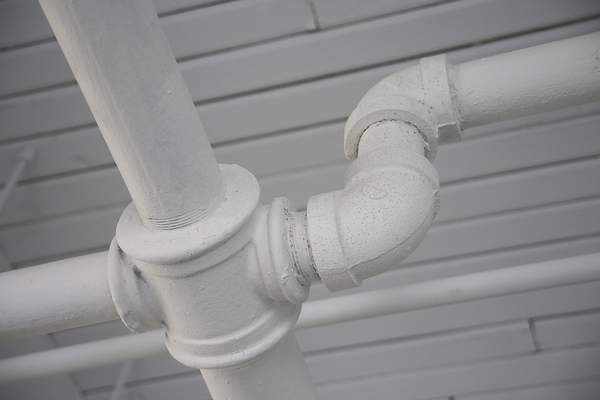
Homeowners often face the intricate puzzle of plumbing systems, which can be daunting without the right expertise. Plumbing issues can lead to significant property damage and costly repairs if not addressed promptly. Understanding the complexities of plumbing is crucial for maintaining a safe and functional home environment. Professional insights can help homeowners navigate these challenges effectively.
Identifying Common Plumbing Issues
Plumbing systems can exhibit a variety of issues, some of which are more subtle than others. Common problems include leaky faucets, running toilets, and slow drains. These issues, while seemingly minor, can escalate if left unattended. For instance, a slow drain could indicate a more significant blockage within the pipes.
- Leaky faucets often result from worn-out washers or seals.
- Running toilets may involve a faulty flapper or fill valve.
- Slow drains might suggest the presence of debris or mineral build-up in pipes.
Conducting a Plumbing Inspection
A thorough plumbing inspection involves checking all accessible pipes, fixtures, and appliances. Inspectors typically use specialized tools to detect leaks, assess water pressure, and evaluate the condition of pipes. It’s essential to adhere to industry standards such as those outlined by the International Association of Certified Home Inspectors (InterNACHI) or similar bodies.
- Check for signs of corrosion or leaks on exposed pipes.
- Test water pressure to ensure it falls within the standard range of 40-80 psi.
- Inspect water heaters for proper venting and temperature settings (generally recommended at 120°F).
Preventative Measures and Maintenance
Regular maintenance can prevent many plumbing issues from developing. Homeowners should be proactive in monitoring their plumbing systems to avoid costly repairs down the line. Routine checks and timely repairs can extend the lifespan of plumbing components and enhance overall home safety.
- Schedule annual plumbing inspections to catch potential issues early.
- Regularly clean drains and avoid flushing non-degradable items.
- Replace old pipes with modern materials like PEX or copper to prevent leaks.
In conclusion, understanding the intricacies of plumbing systems is crucial for homeowners to maintain a safe and efficient home. Regular inspections and maintenance are vital in preventing costly repairs. Consulting with professional home inspectors can provide the expertise needed to tackle plumbing challenges effectively.