In the hidden recesses of every home lies a network of electrical systems that, if left unchecked, can transform a haven into a hazard. Many homeowners remain unaware of the potential electrical issues lurking within their walls, making it crucial to address these concerns proactively. Identifying and rectifying electrical problems is not only a matter of safety but also a way to preserve property value and ensure peace of mind.
Signs of Electrical Trouble
Electrical systems can silently develop issues over time. Home inspection professionals often encounter signs that hint at underlying problems:
- Flickering Lights: This can indicate loose wiring or overloaded circuits, which should be promptly addressed to prevent fire hazards.
- Burning Odors: If there is a persistent smell of burning plastic, it might signal overheating wires or connections.
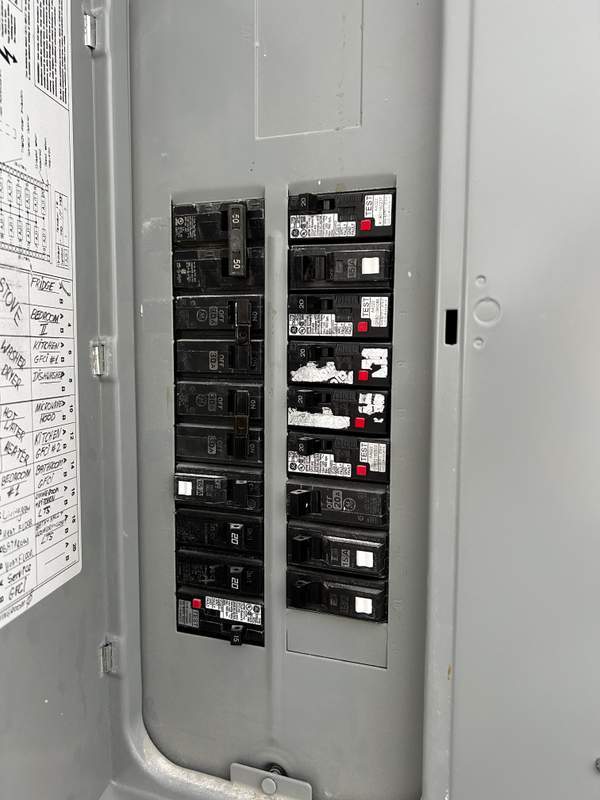
- Tripped Circuit Breakers: Frequent tripping could mean that circuits are unable to handle the electrical load, necessitating an inspection.
Understanding Wiring Systems
The type of wiring in a home can significantly impact its safety and efficiency. Older homes may contain outdated wiring systems like knob-and-tube or aluminum wiring, which present unique challenges:
- Knob-and-Tube Wiring: Common in homes built before 1950, this system lacks grounding and is prone to deterioration, raising the risk of electrical fires.
- Aluminum Wiring: Used in the 1960s and 70s, aluminum wiring can oxidize and cause poor connections, increasing fire risks.
Inspectors recommend modernizing these systems to comply with current safety standards and to enhance overall electrical safety.
Ensuring Compliance with Standards
Adherence to the National Electrical Code (NEC) is essential for maintaining safe electrical installations. During a home inspection, professionals assess whether the electrical systems meet these standards, ensuring that installations are up to code and safe for use.
Regular inspections can help identify potential problems before they escalate, providing homeowners with actionable insights to maintain a safe living environment.
In conclusion, safeguarding a home against electrical hazards requires vigilance and expertise. Regular professional inspections can uncover hidden electrical issues, ensuring safety and compliance with industry standards. Homeowners are encouraged to schedule periodic inspections to protect their investment and loved ones.